Evidence-Based Art Therapy and Counseling Alternatives for New Year’s Resolutions
In the New Year, many individuals are motivated to set resolutions that promote personal growth and well-being. However, conventional resolutions often emphasize outcomes over the underlying processes essential for lasting change. Instead, an evidence-based approach incorporating art therapy, counseling alternatives, and holistic strategies can foster more sustainable transformation. Below, explore how integrating mindset and values-based interventions, action-oriented techniques, and structured self-reflection can support a clinically robust New Year’s journey.
1. Mindset and Values-Based Approaches
Sustainable change begins with a shift in mindset. Research demonstrates that a growth mindset—the belief that abilities are malleable—promotes resilience and adaptive coping in the face of life’s challenges. In clinical settings, values-based interventions, such as those found in Acceptance and Commitment Therapy (ACT), help individuals clarify core values and align daily actions with them. This process facilitates the pursuit of meaningful, value-driven goals rather than arbitrary outcomes, and is associated with greater psychological flexibility and overall well-being.
Art Therapy Application:

Create a vision board or collage representing your core values and aspirations, using visual elements that evoke desired emotions and intentions.
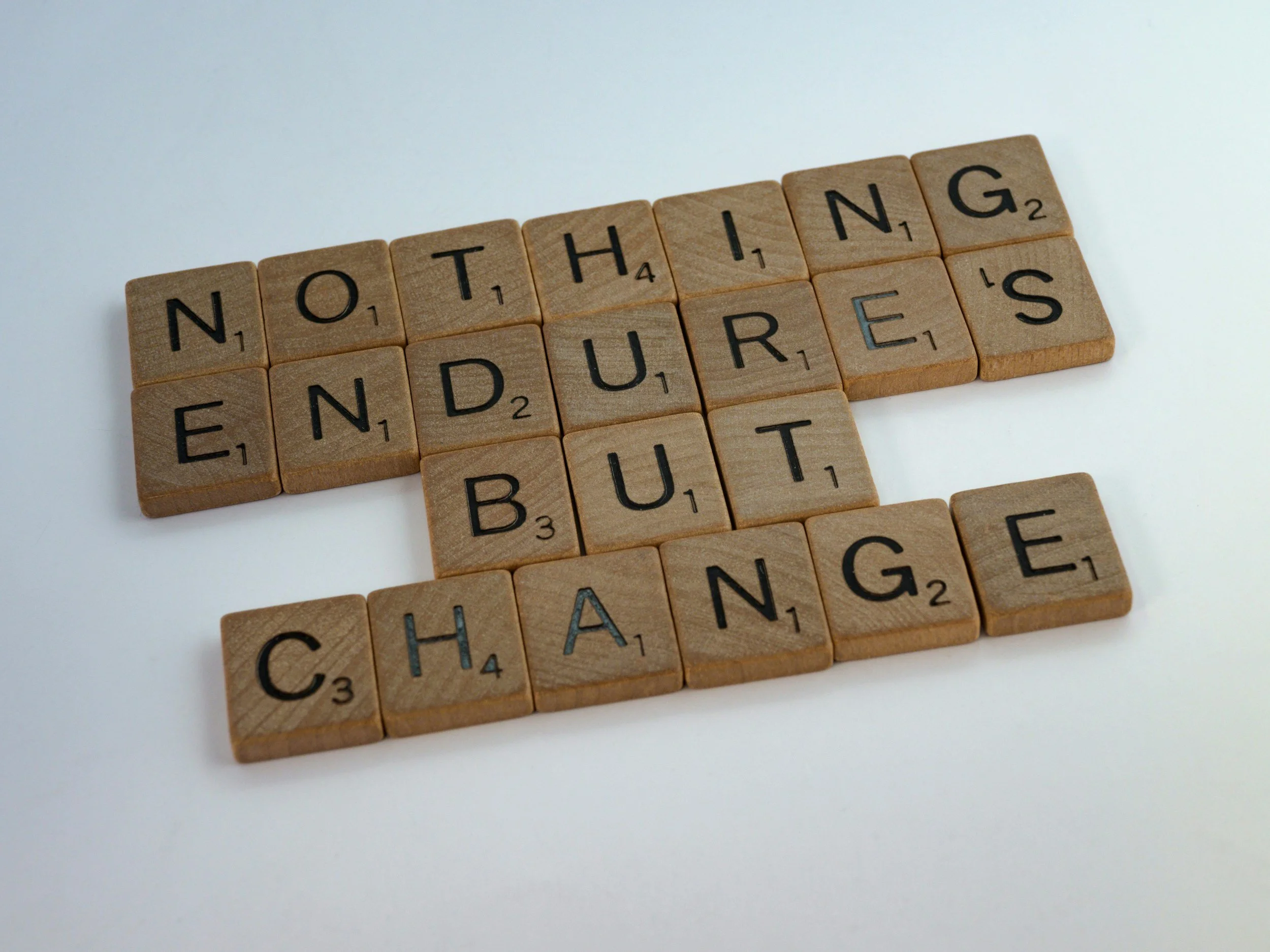
Develop a personal mantra or affirmation based on your values and display it as a daily visual cue.

Use journaling or creative writing to reflect on periods of fulfillment and authenticity, reinforcing value-aligned behavior.
2. Action-Oriented and Experimental Methods
Many resolutions falter due to a lack of specificity or attainability. Action-oriented methods—including solution-focused brief therapy—emphasize dividing goals into manageable steps and systematically experimenting with new behaviors. Clinical research supports the idea that setting clear intentions and gradually introducing behavioral changes increases adherence and helps individuals build self-efficacy. This approach shifts attention toward incremental progress, resilience in the face of setbacks, and ongoing engagement with therapeutic goals.
Art Therapy Application:
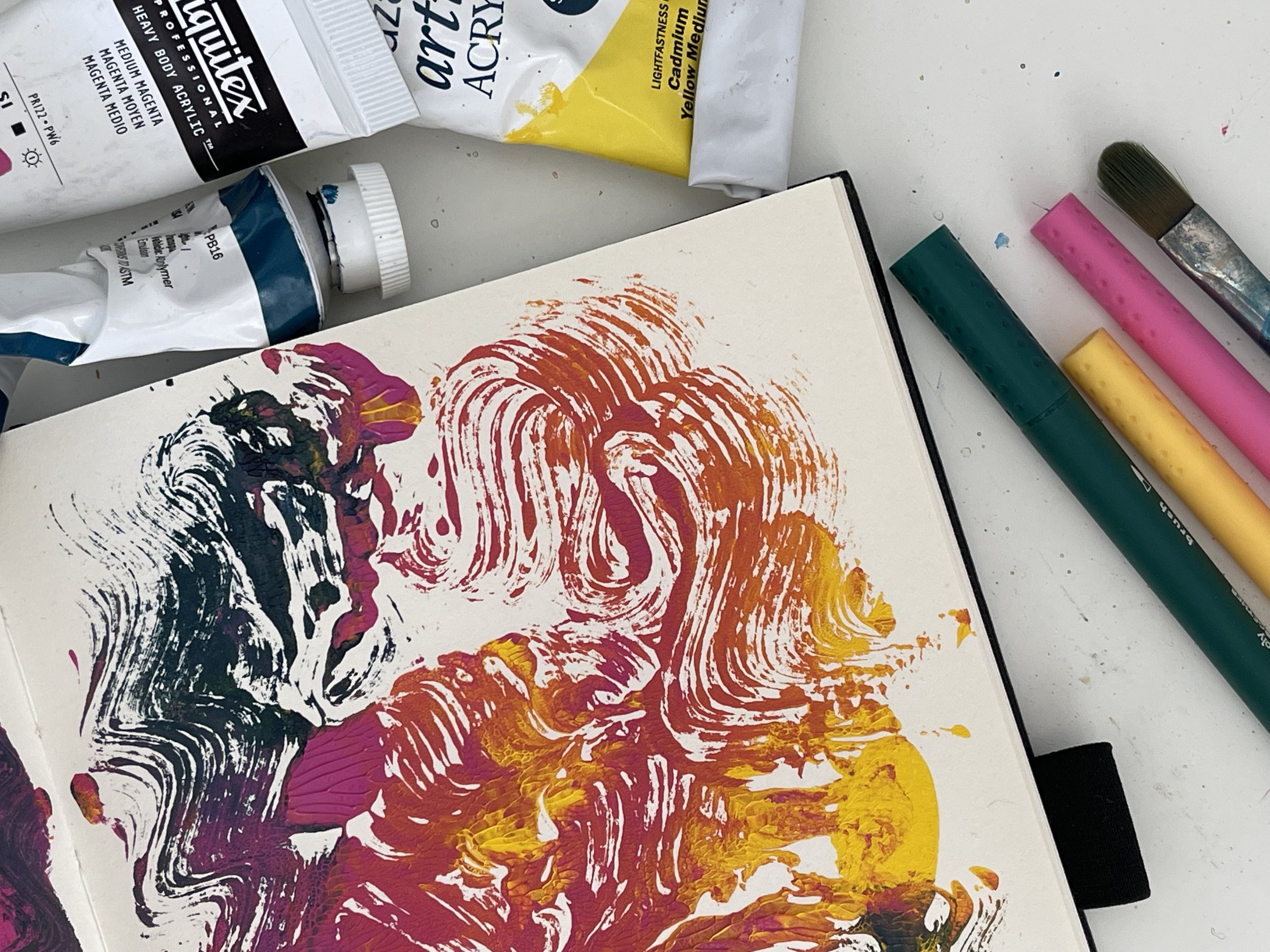
Maintain a visual journal or sketchbook to document incremental progress, challenges, and behavioral experiments.
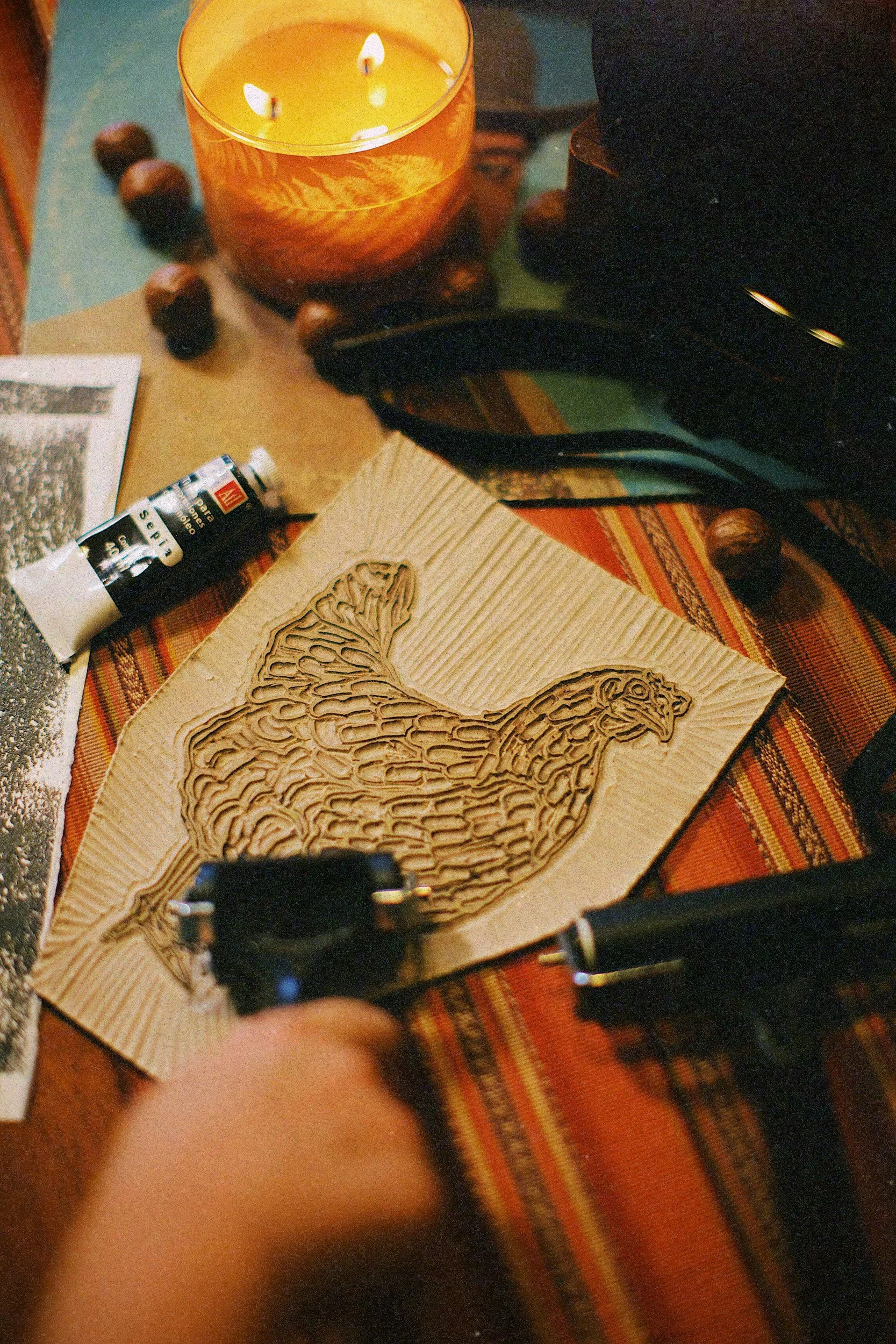
Engage in structured creativity challenges, such as exploring a new medium or technique weekly.

Collaborate with group art-making or peer-supported projects, fostering accountability and shared insight.
3. Self-Care and Reflection
Sustained behavioral change is supported by consistent self-care and reflective practice. Evidence-based strategies such as mindfulness, expressive writing, and guided imagery have been shown to reduce psychological distress and enhance emotional regulation in both clinical and non-clinical populations. Ongoing reflection, whether through creative or verbal modalities, enables timely adjustment of strategies and supports maintenance of therapeutic progress.
Art Therapy Application:

Schedule weekly creative check-ins, using visual or written modalities to process mood, aspirations, and ongoing experiences.

Utilize tools like a feelings wheel to inform expressive works that examine current emotional states.
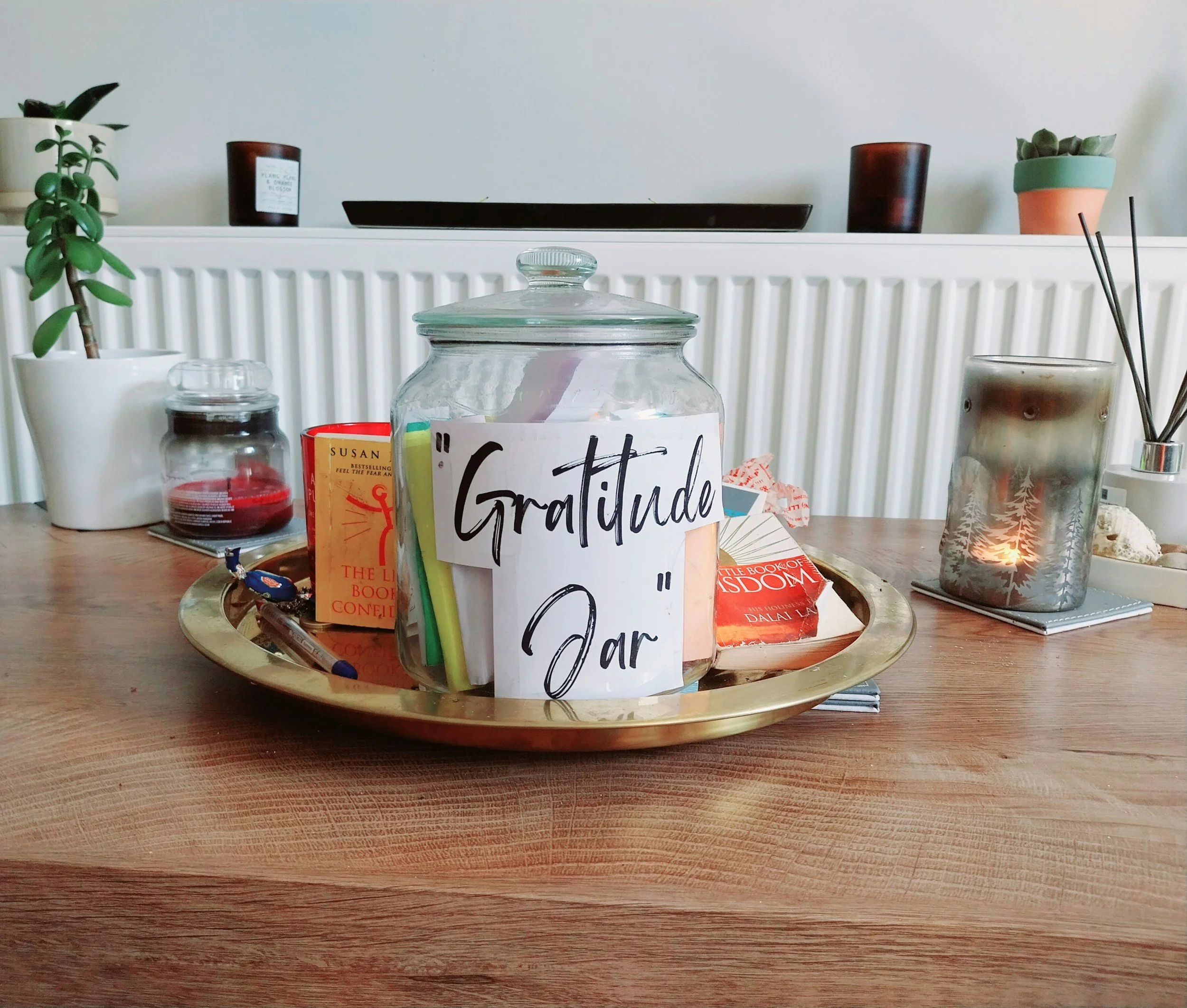
Maintain a gratitude or self-care journal combining text and imagery to reinforce positive affect and self-awareness.
Additional Resources to Support Your Resolutions
While art therapy provides a clinically-supported avenue for creative self-exploration and wellness, integrating additional evidence-based modalities—such as cognitive-behavioral techniques, mindfulness-based stress reduction, or expressive movement—further enhances lifestyle engagement and overall mental health outcomes. Consider these complementary interventions:
Group Art Sessions: Participate in community art groups or workshops to increase accountability and share therapeutic insights.
Digital Art Platforms: Utilize structured digital platforms for guided self-expression and progress monitoring.
Nature-Based Art: Engage in eco-art practices, such as creating land art during outdoor activities, to foster environmental connection and mindfulness.
Strategies for Sustaining Change
- Clarify your motivations and underlying values before setting goals.
- Visualize and embody intentions through creative processes, focusing on experiential engagement.
- Deconstruct broad goals into achievable, sequenced steps and recognize each milestone.
- Remain adaptive as you gain new insights, and engage in regular reflection to monitor progress and adjust interventions as needed.
Conclusion
This New Year, move beyond ineffective resolutions by implementing evidence-based art therapy and integrative counseling practices that are grounded in clinical research. Emphasizing mindset shifts, value clarification, incremental action, and structured reflection can lay the groundwork for authentic, durable change. An individualized and clinically-informed approach promotes lasting wellness throughout the year and supports the development of adaptive coping skills that can be generalized to future goals.
References
Backos, A. (2022). ACT art therapy: Creative approaches to acceptance and commitment therapy. Jessica Kingsley.
Bernier, M. (2023). Process and Materials of Art Psychotherapy II: ECO-ART THERAPY [Class handout]. Eastern Virginia Medical School, ATC 524
Czamanski-Cohen, J., & Weihs, K. L. (2016). The bodymind model: A platform for studying the mechanisms of change induced by art therapy. The Arts in psychotherapy, 51, 63-71..
Hinz, L. (2009). Expressive Therapies Continuum: A framework for using art in therapy. New York, NY: Routledge.
Kapitan, L. (2025). Introduction to art therapy research. Routledge.
Sherman, D. (2019). Solution Focused Brief Expressive Arts Therapy.